
To anyone scrolling rental listings, Redpath Avenue reads as one market, but it’s actually two. Some suites belong to buildings that were financed, designed and constructed to be rented, and are still run that way by a single owner. Others are individual condominium units, bought by investors and leased out one at a time inside a building that was never meant to operate as a rental community.
Nothing about the buildings tells you which is which. The lease does, and so does the maintenance response and amenity access. The owner is a different kind of person entirely: a company with a leasing office downstairs, or a stranger with a mortgage and a real estate agent. For renters who value how a building will feel to live in across three or five years, that distinction is the most useful filter on the street.
The Ownership Question Behind Every Redpath Listing
A purpose-built rental is a building where every suite, corridor and amenity space sits under one owner and one operating budget. The economics only work if residents stay, so the operator carries a direct financial interest in maintenance quality, staffing depth and renewal rates. Decisions about the gym, the lobby and the elevator modernization are made by the same organization that collects your rent, which means there is a single accountable party when something goes wrong.
A condo rental inverts that. The building is owned in fragments by hundreds of individual purchasers, and the condominium corporation works for those owners rather than for the people renting from them. Your landlord holds one unit, and their interest in the building ends at its walls. Amenity policy, guest rules and reserve fund spending are set by a board you cannot sit on and a manager you cannot call. When the lease comes up, the question is not what the building wants. It is what one investor’s spreadsheet says that year.
Structure and Daily Experience
| Dimension | Purpose-Built Rental | Condo Unit Rental |
|---|---|---|
| Who owns your suite | One owner-operator holds the entire building | An individual investor holds one unit |
| Who you deal with | On-site leasing and management team | The owner directly, or their listing agent |
| In-suite repair | Logged with on-site staff and tracked to completion | Depends on one owner’s availability and contractor |
| Amenity access | Managed for residents by building staff | Governed by board rules written for owners |
| Suite-to-suite consistency | Standardized finishes and specifications | Varies by owner; each unit finished separately |
| Building-wide investment | Funded and scheduled by the operator | Funded by reserve fund and owner vote |
| Move-in logistics | Coordinated by the building as routine service | Booked through the condo manager; fees vary |
| Reason a tenancy ends | Usually the resident’s own decision | Frequently the owner’s decision to sell or occupy |
The Whitney on Redpath: Purpose-Built at the Luxury End of the Street
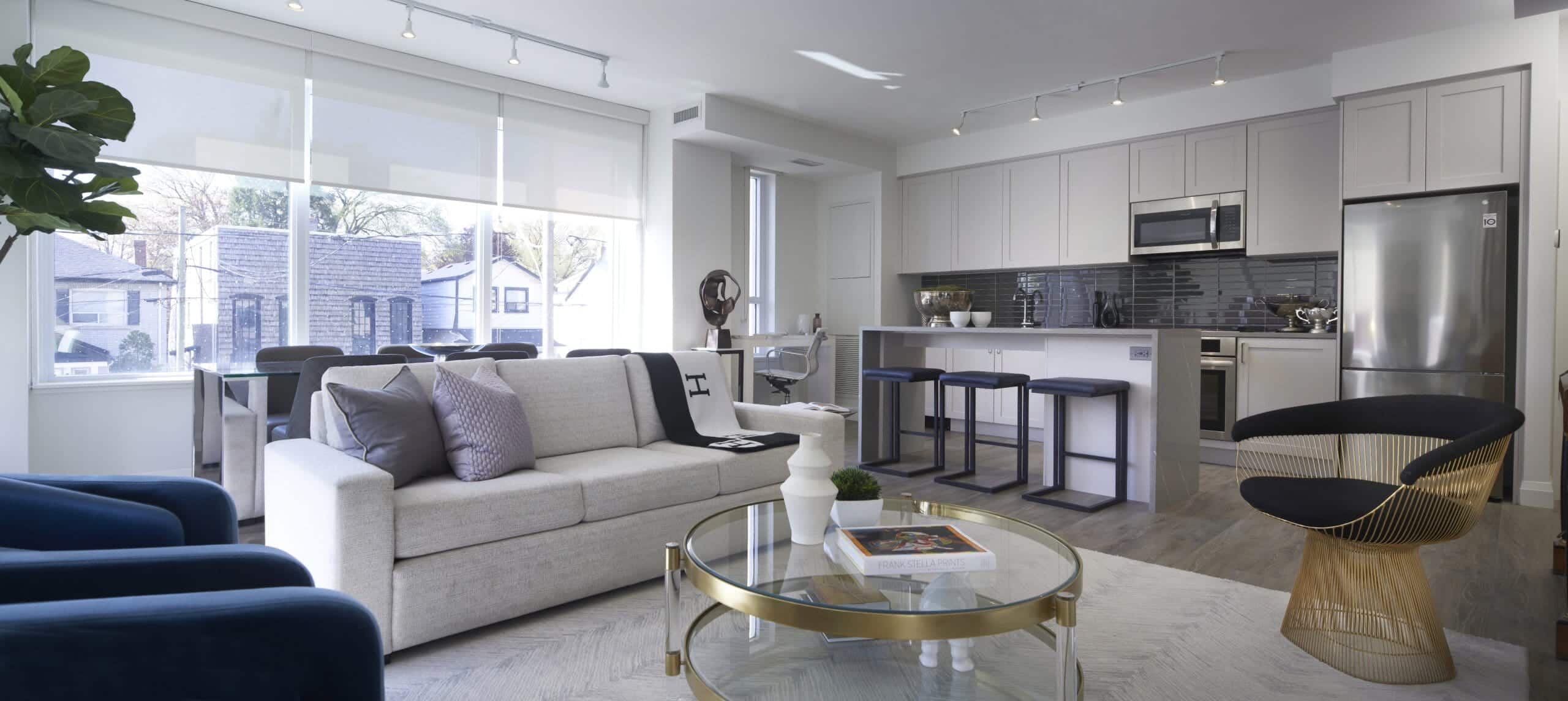
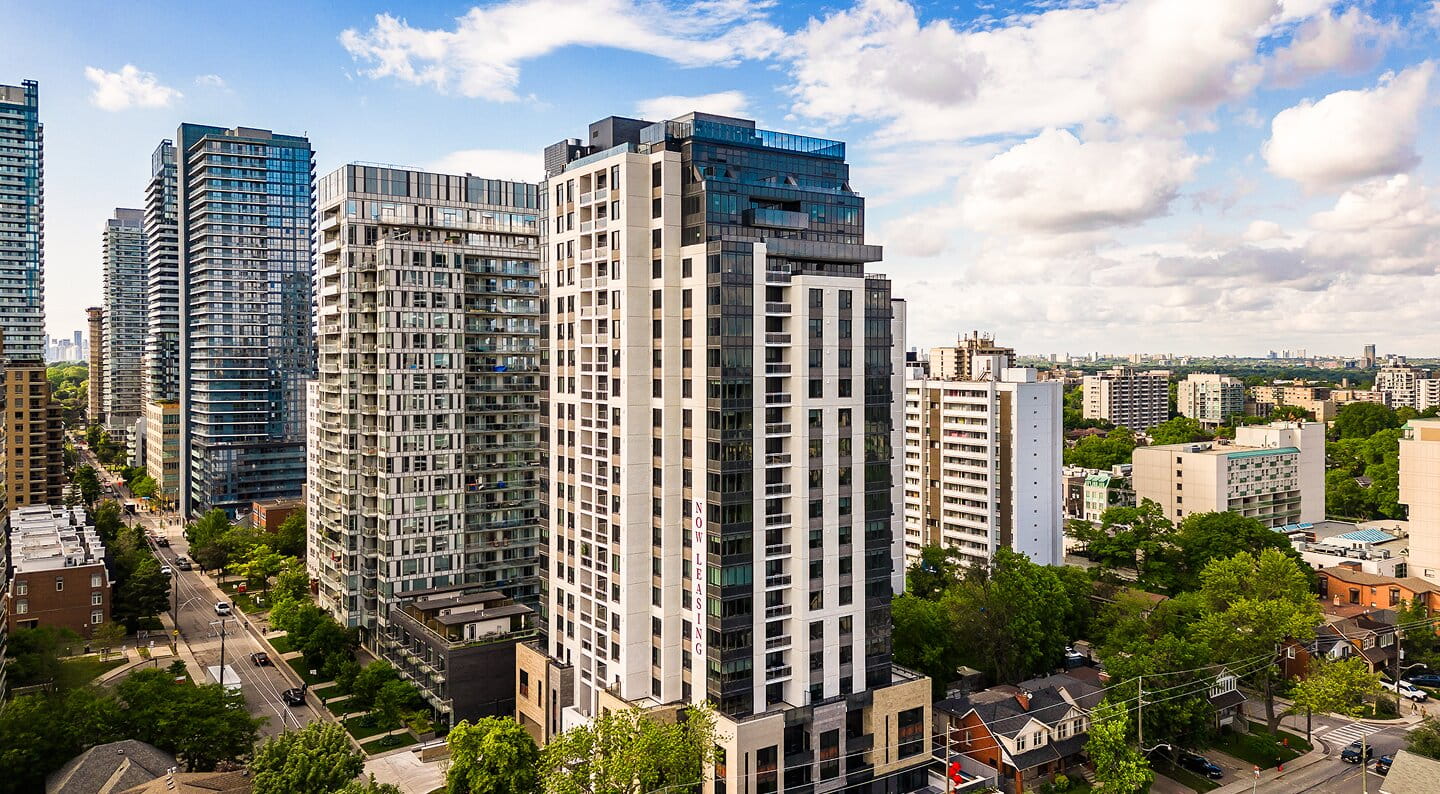
Ownership determines who is accountable. What that accountability buys you depends entirely on the operator. The Whitney on Redpath at 71 Redpath Avenue is the most exclusive boutique luxury apartment building in Midtown Toronto, with only 180 suites, and every floor plan is delivered to one standard, from the 325 square foot studio to the Skyline View Collection. In a condominium, finishes are set unit by unit by whoever bought the unit.
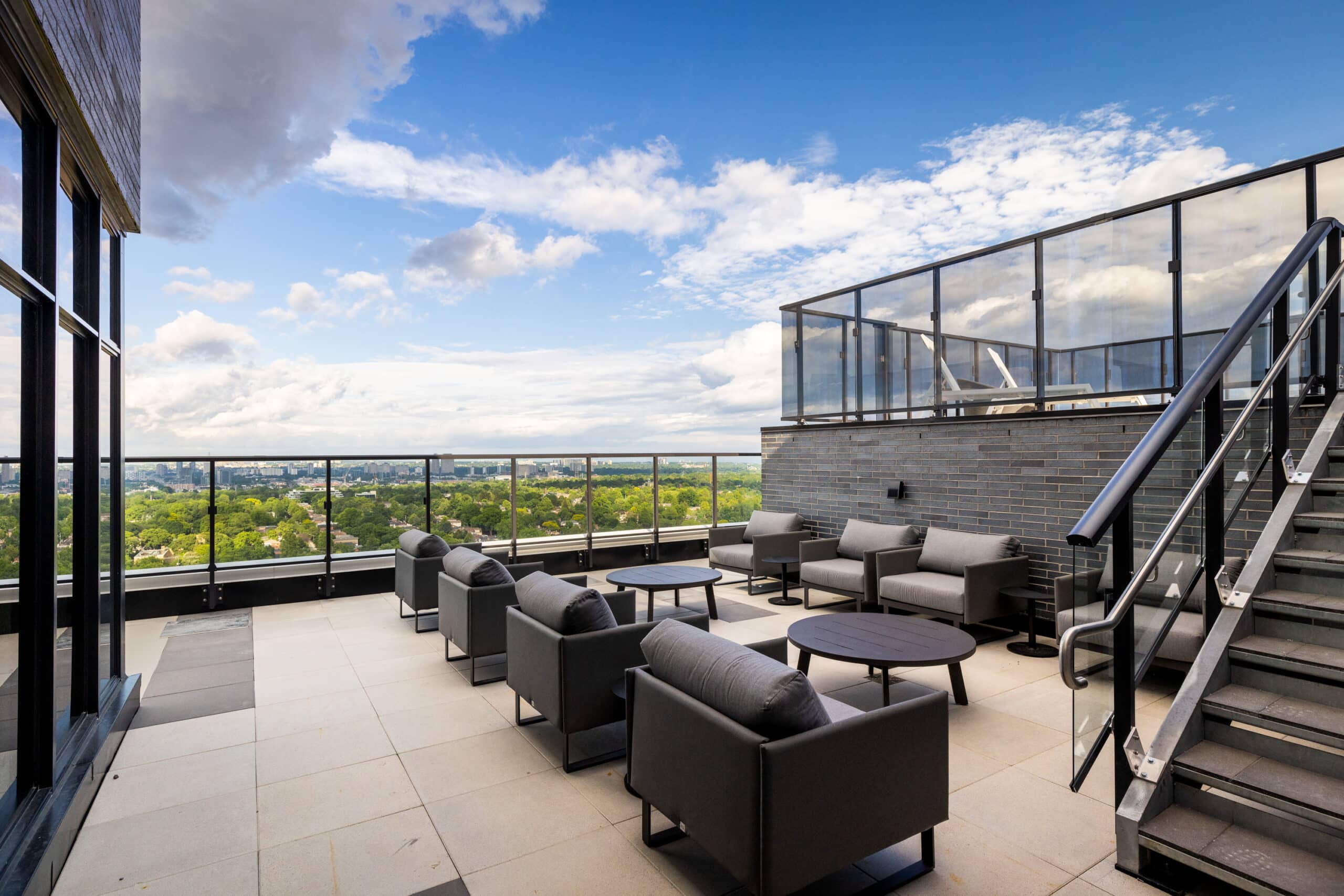
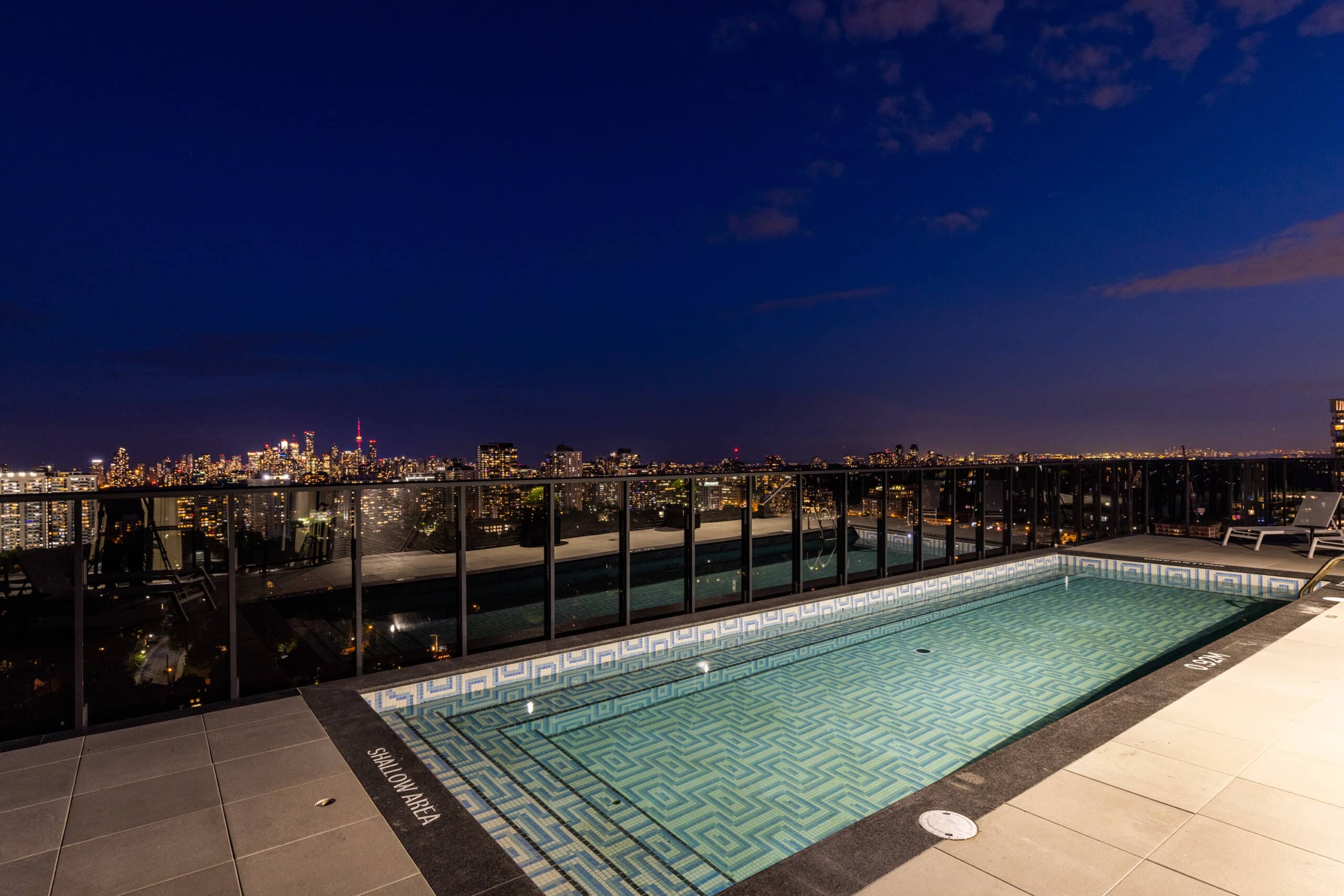
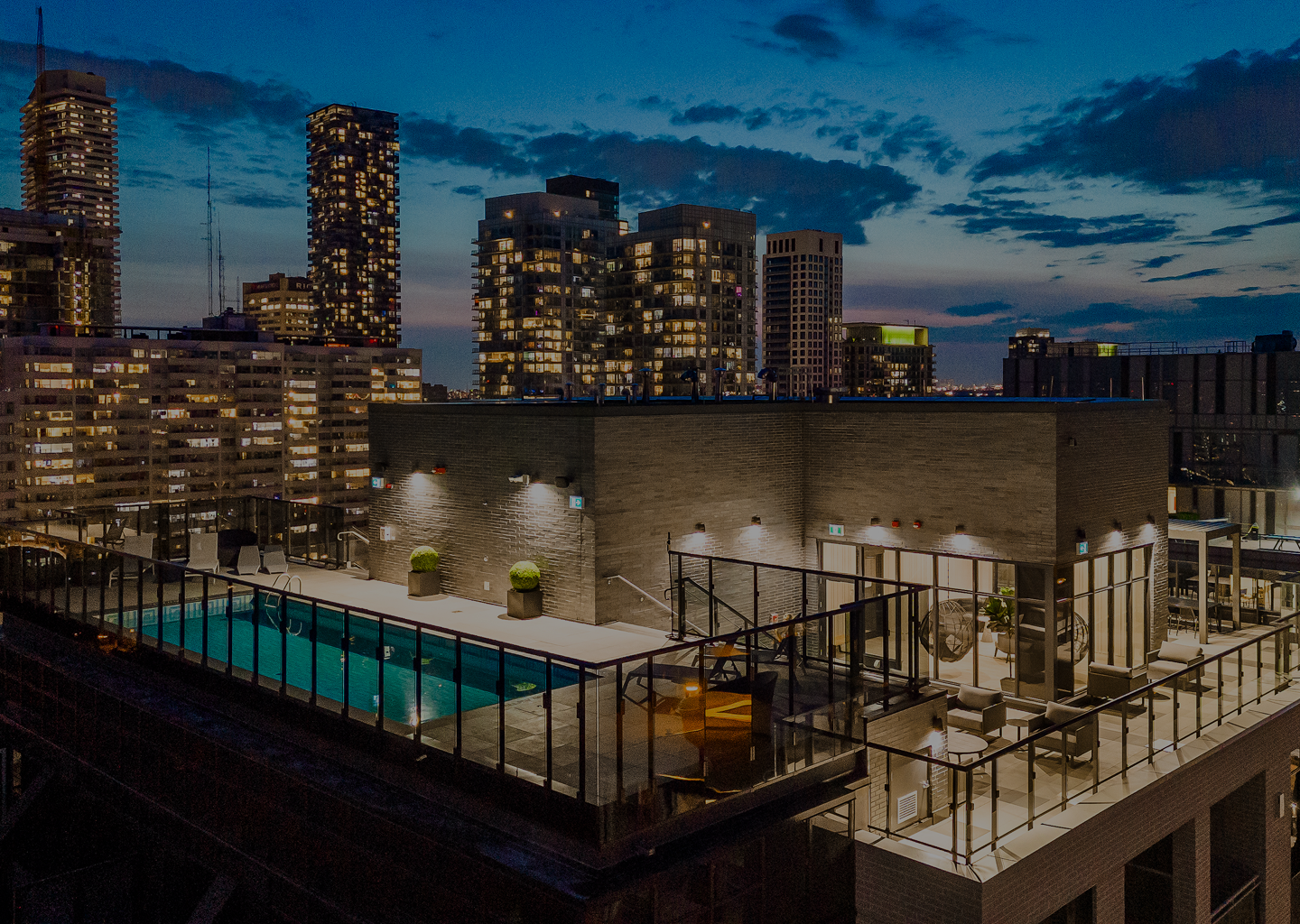
The amenity floorplate is sized for a known resident base. The Whitney features the largest fitness studio among boutique apartment buildings in Midtown Toronto at 3,500 square feet, with a dedicated spin studio and TRX suspension training, and it is the only boutique apartment building in Midtown Toronto with a rooftop pool, BBQ area and a year-round rooftop lounge.
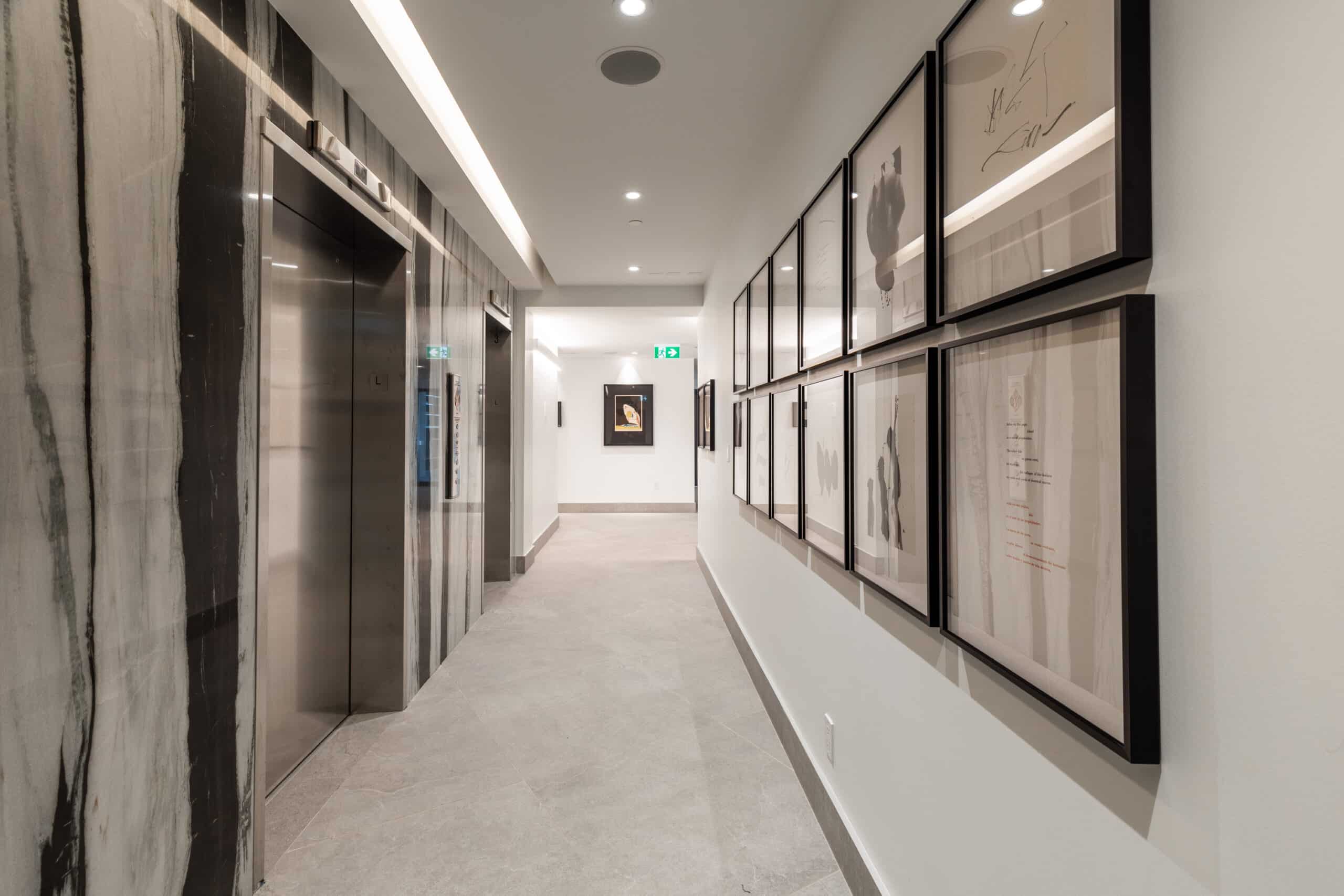
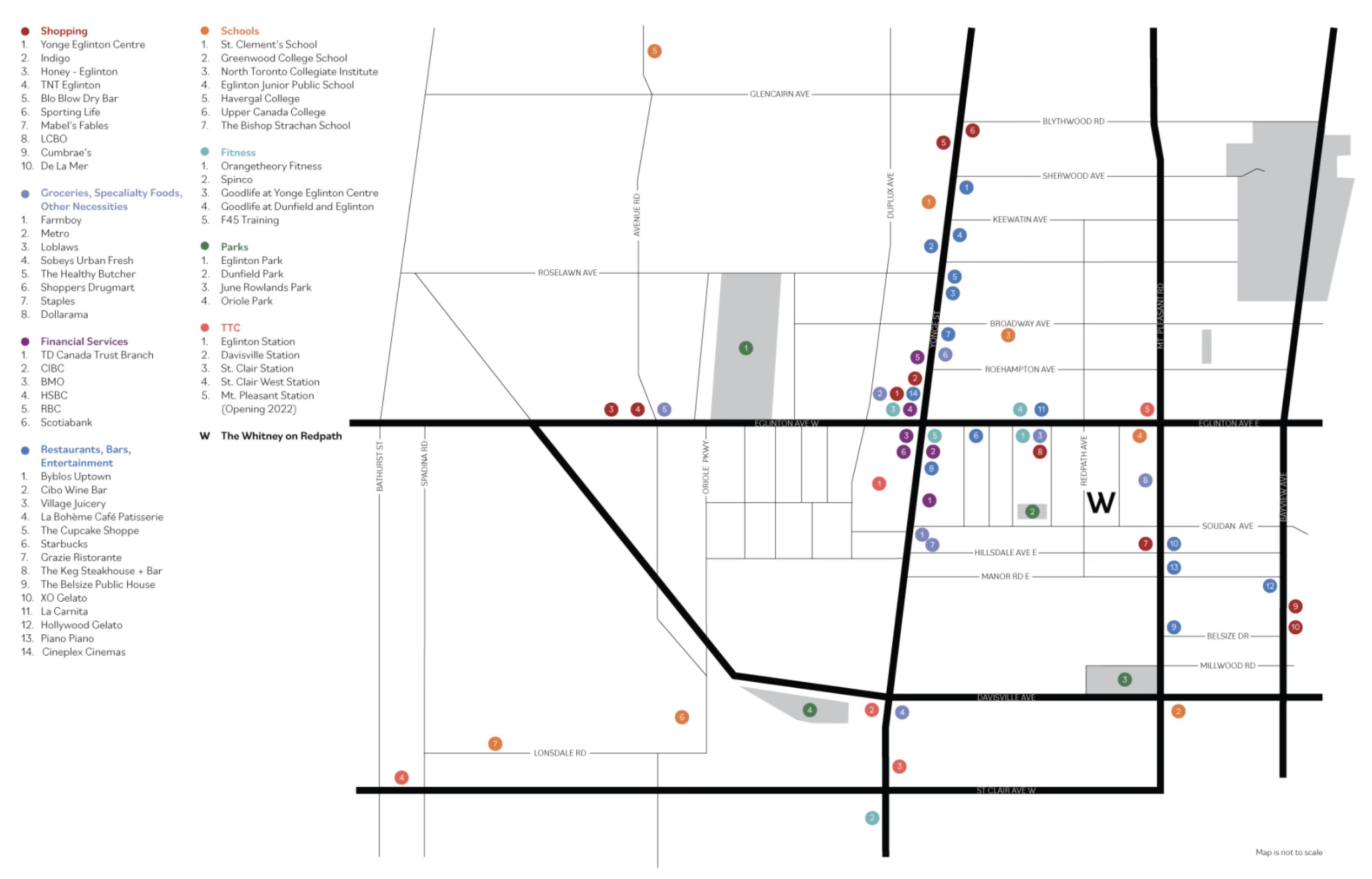
The service model is where ownership is felt daily. The Whitney on Redpath offers 24/7 concierge service, providing hotel-level hospitality for residents, and a full-time Resident Services Manager and resident maintenance superintendent are on site, which is the structural reason a repair here is a work order rather than a text message to an investor. The building sits on a quiet tree-lined residential street, steps from Yonge & Eglinton, offering privacy unavailable in high-rise towers.
Reading the Street: How to Tell Which Address Is Which
A purpose-built rental has one website for the whole building, a leasing office with posted hours, a named operator in the footer, and a consistent suite inventory under a single brand. A condo suite reaches the market through a brokerage, with a realtor’s name attached and a listing that vanishes the moment it leases. If one of the two suites you are comparing is being shown by a real estate agent, you already have your answer.
Establishing the model is only the first filter. Redpath’s purpose-built buildings run from mid-century stock offering on-site laundry and a parking space to recent construction with a concierge team and a full amenity floor, and the rents range just as widely. Ownership guarantees you a single accountable operator. It does not tell you what that operator has actually built and staffed, which is the second question and the one worth touring for.
What the Rent Actually Covers
A condo suite and a purpose-built suite quoted at the same rent are not the same purchase. The condo rent buys the four walls. Fitness, workspace, parcel handling and someone to call when something breaks are either bought separately or done without, and none of that appears in the listing.
Price both the same way. Take the advertised rent, then add the cost of every service one building includes and the other leaves to you. A suite that looks cheaper on the listing is often the more expensive one to live in, because the gap gets paid in memberships, day passes and time. And the money spent that way buys an invoice rather than a daily experience.
What You Pay Separately
| What You Need | Without It in the Building | In a Full-Service Building |
|---|---|---|
| Fitness access | Gym membership, plus the commute to use it | On site, included in rent |
| Workspace outside the suite | Coworking membership or a desk in your bedroom | On site, included in rent |
| Outdoor and social space | Confined to the suite | Rooftop and amenity floor extend the home |
| Parcel receiving | Missed deliveries, redelivery trips, theft exposure | Handled on site |
| Maintenance response | Contractor scheduling and multi-day waits | On-site staff, same building |
| Guest accommodation | Hotel rates for every visitor | Guest suite in the building |
| What the rent buys | Floor area | A serviced address |
Matching the Model to What You Want From a Home
Both models serve real renters well, just different ones. The dividing line is time horizon: a condo suite competes on what you pay across a single lease term, while a purpose-built building competes on what the next several years feel like.
Priority to Model Fit
| If Your Top Priority Is | Better Fit | Why |
|---|---|---|
| Service you do not have to chase | Purpose-built | Staff, budget and accountability sit in one place |
| Amenities you will genuinely use | Purpose-built | Spaces are sized and staffed for the resident base |
| Staying put for three to five years | Purpose-built | Retention is the operator’s business model |
| Hosting guests and managing logistics | Purpose-built | Guest suites and concierge support are resident services |
| Predictable finishes and specifications | Purpose-built | Every suite is delivered to one standard |
| A short or unusual lease term | Condo | One owner can make an exception a company cannot |
| Lowest monthly rent this year | Condo | Investor-owned pricing is under the most pressure |
The Question Worth Asking on a Tour
Redpath Avenue will keep looking like one rental market from a listings page, and the buildings will keep photographing the same way. The difference shows up later, in who answers when something breaks, whether the gym is usable at seven on a Tuesday, and whether the fourth year in a suite is your decision or someone else’s. None of that is visible in a floor plan. All of it is set by who owns the building.
Ask one question on every tour: who owns this suite, and who will still own it in three years. The answer tells you more about the next five years of your life than square footage ever will.
For more information on The Whitney on Redpath’s suites, amenities and full-service management model, or to schedule a tour, visit thewhitneyonredpath.com/contact/.